top of page
What Is Audio Mixing?
Most people have very little understanding what goes into the process of producing music, so in this video, I go back to the basics and discuss the second phase of audio production: mixing. Hope this is insightful!

Set And Forget... How You Shouldn't Mix
Sometimes, audio techs have a habit of "setting and forgetting" their mix. They might get all the levels set at the beginning of the event, but by the end, they've sorta tuned out and let things go, thinking that as long as nothing goes horribly wrong, they did fine. In this video, I explain why this mentality is a non-starter for an audio engineer who truly wants to be excellent at his craft.

The Fix To Your Quiet Mix
It's a terrible feeling when you work really hard on making a great mix, upload it to your streaming site, and then realize it's way quieter than every other track on the site. Fortunately, there's a tool, called a limiter, that can really help you. In this video, I'll teach you how to use a limiter to get your track's volume up to the industry standard so it can compete with the other content on that platform. Hope this helps!
How To Use Sends & Returns
In this video, I'll teach you how sends and returns work and how to use them in your mix. Hope this helps!

What Are Frequencies?
Let's be honest, we all have a tendency to throw around terms that we only half understand... When it comes to audio, the term "frequency" is probably said more than it's understood. In this video, I'll give you a very basic understanding of how sound works and how that understanding can impact how we mix. Hope this helps!

Mono vs. Stereo: What's The Difference?
The difference between mono and stereo is a basic concept in audio, but sometimes it can get a little confusing. In this video, I'll teach you the difference between the two and talk about the different applications of each. Hope this helps!

Pre-Fader vs. Post Fader: What’s The Difference?
The difference between pre and post fader can be confusing, but it's an important concept to understand. In this video, I'll teach you what each of these settings do and their application. Hope this helps!
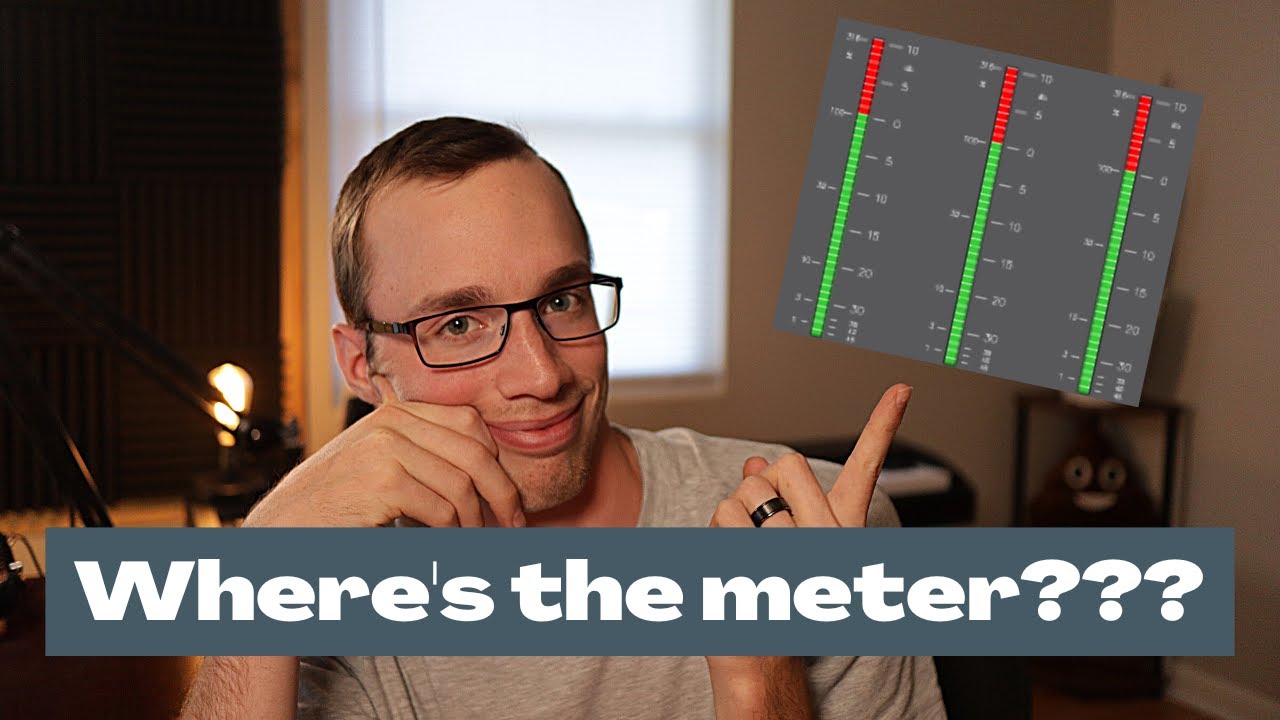
Gain Staging With Analog: Where's The Meter?
One of the differences between working on analog vs digital consoles is the lack of channel meters. For the longest time, I couldn't figure out how to set the gain structure accurately without seeing the signal level. However, I recently discovered the trick, and now I will share it with you. :) Hope this helps!

Can I Adjust The Volume With The Preamp?
I often see beginner mixing engineers try to use the gain knob to adjust the volume level when things get too loud or they need to boost a specific channel. In this video, I want to explain why this isn't a good habit to get into. Especially in mixing, it's important to use each tool for its intended purpose to avoid problems later on in the signal chain. Hope this helps!
Group, Aux, Matrix: What's The Difference?
It was a long time after I started mixing audio that I really learned what the difference between a group, an aux, and a matrix was. They all process and route audio, but in different ways, so it's easy to get them confused and not know which one to use for which application. In this video, I'll teach you the difference between them and give you practical applications for each one. Hope this helps!

How Groups And Sends Save Your Bacon
Using groups and sends in your mixing project can save you time, conserve computer processing resources, and make your mix more cohesive. In this video, I'll explain what groups and sends are and how to use them to enhance your mixing process. Hope this helps!

How To Mix In Ear Monitors
Musicians often struggle to hear themselves and get a good balance out of their in-ear monitor mix. In this video, whether you're a musician yourself or an audio engineer trying to help the musicians on stage, I'll teach you how to build a great monitor mix from scratch in 4 simple steps. Hope this helps!

Which In Ear Monitors Should I Buy?
If you're professional audio engineer or musician that spends a lot of time doing your job, chances are pretty high you'll eventually want to buy a pair of in-ear monitors. However, because there are so many options out there, it's hard to know which product will be the best for your specific application. In this video, I'll teach you exactly what you need to know in order to make a great purchase that will serve you well for years to come! Hope this helps!
Gain vs Trim: What's The Difference?
Many audio techs use the terms "gain" and "trim" interchangeably and are often confused which parameter to adjust when. In this video, I'll explain the difference between the two and teach you when to use one versus the other. Hope this helps!

PSA: There's More To Life Than Reverb!
Everybody knows what reverb is and and that it makes things sound cool, but there are actually many other tools that are helpful creating texture, rhythm, and excitement in a mix. In this video, I'll show you some of those tools that you can use in your own mixes to spice things up. Hope this helps!
Is Attack & Release Ruining Your Mix?
Most audio engineers understand threshold and ratio on a compressor, but attack and release are often misunderstood and left untouched. In this video, I want to show you what attack and release sounds like so you can dial them in correctly.
These two parameters can often be the difference between a flat, lifeless mix, and a dynamic, transparent mix. Hope this helps!
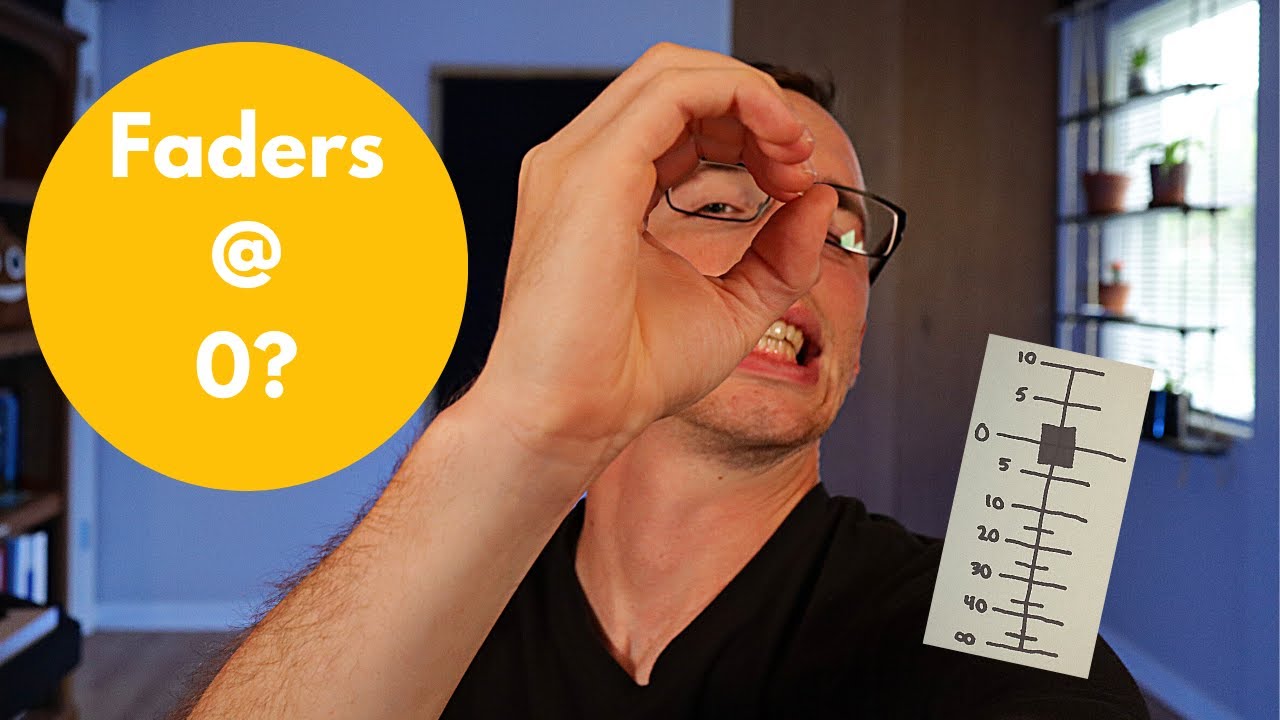
Why Mix With Faders At 0?
Mixing in high resolution is the practice of keeping the faders in your mix as close to unity as possible. It sounds easy enough, but it can be difficult to do in a live sound environment with many inputs. In this video, I'll teach you why mixing in high resolution is important as well as how to navigate the common problems that arise when you do so. Hope this helps!

This Is Why You Can't Make Your Speakers Loud Enough...
I often hear audio engineers complain that they can't seem to get enough volume out of their PA or stage monitors. No matter how much they turn it up at every point in the signal path, for some reason, it just isn't loud enough... In this video, I want to walk with you through your signal flow and diagnose the problems that could be preventing you from getting the volume you need out of your system. Most likely, there is one very simple, logical reason. ;) Hope this helps!

How To Use A Compressor
In this video, I'll teach you how to use compressors. Compression is key to controlling the dynamic range of each input, and it will help you create a more balanced mix. Hope this helps!

How To Use EQ & High Pass Filters
In this video, I'll teach you how to use EQ and high pass filters. These tools are fundamental in mixing, and with a little guidance, you can use them to make some stellar music! Hope this helps!
bottom of page